

Poker tournaments in Asia are growing faster than ever in attendance, buy-ins, and organizational quality. What used to be seen only at major events is now becoming a baseline expectation for regional tournaments.
By 2026, the market is not only expanding in size. It is shifting strongly toward better experiences, stronger operations, and higher transparency supported by new technology.
So what trends are worth watching?
Player Experience is the Core Focus
Tournament players, especially mid-stakes and high-stakes groups, expect more from every event. They want the feeling of stepping into a real tournament, not a regular poker room.
What is becoming the new standard:
- Spacious and refined playing areas
- Chairs, tables, and lighting suitable for long sessions
- Floor staff that respond quickly and follow rules correctly
- Logical and player-friendly blind structures
- Strong security, monitoring, and fairness
In 2026, player experience will define a tournament’s reputation, not just the prize pool.
Essential Streaming Technology and RFID
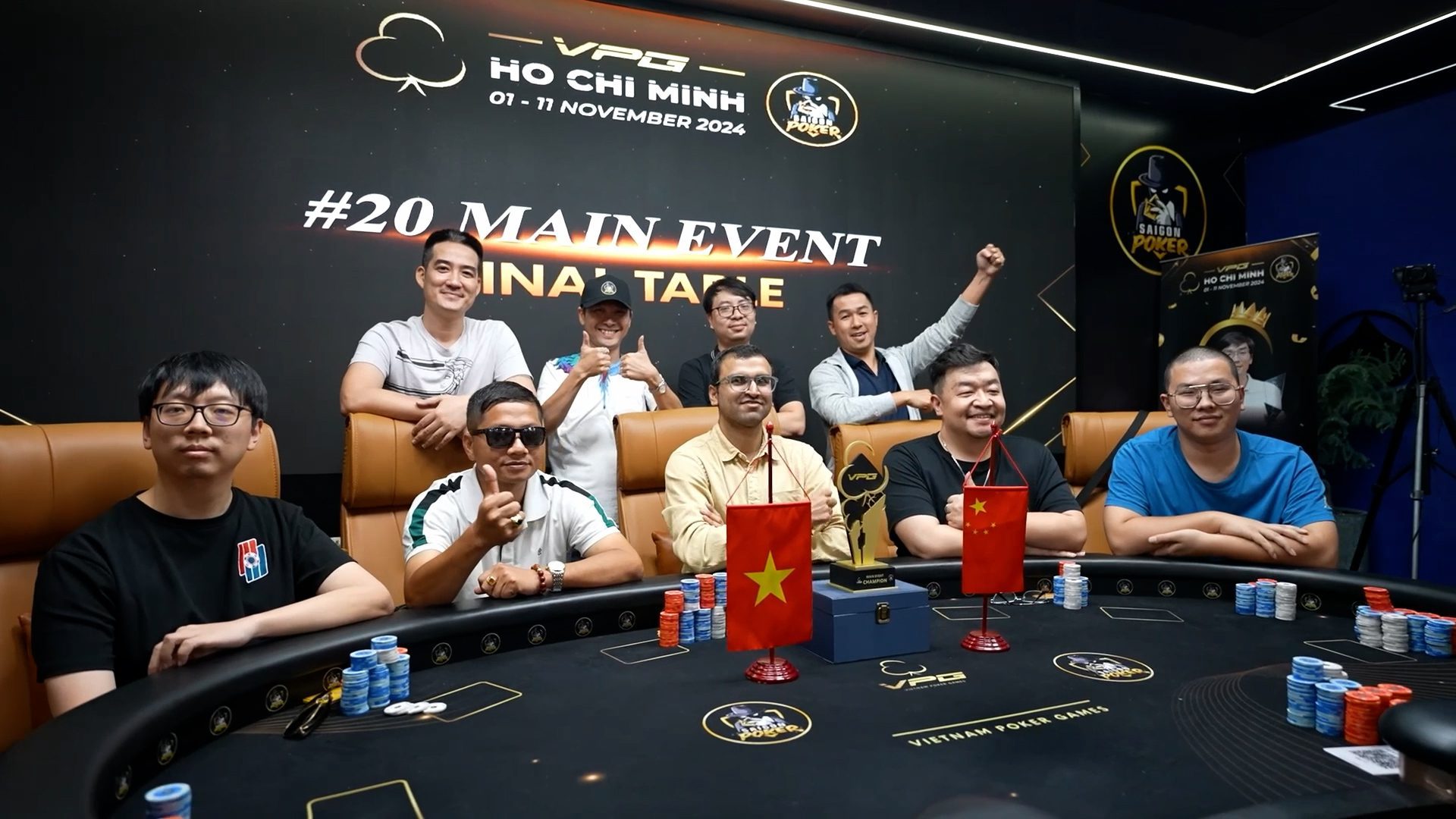
Livestreams were once reserved for the Final Table. Now organizers are moving far beyond that. They are adopting:
- RFID chips for real-time card visibility
- Professional broadcast teams
- Multiple high-angle and close-up camera setups
- Hosts, MCs, and commentators for stronger engagement
Technology is no longer about entertainment. It is about transparency and trust. Real-time chip tracking will be widely used in 2026, reducing chip count errors and giving players confidence in the process.
Transparency Becomes the Deciding Factor
Tournament players in Asia value trust more than anything. They watch closely for:
- Clear payout structures
- International-standard random seat assignments
- Consistent TDA rule enforcement
- Transparent hand history recording
- No unusual advantages for any player
In a rapidly professionalizing market, organizers that lack transparency will struggle to compete. Several Asian destinations are now in strong competition:
- Philippines: Strong infrastructure, advanced livestream systems, and the ability to attract international brands.
- Vietnam: Fast-growing market with diverse structures, a large potential player community, and events active year-round.
- Singapore: High organizational quality and an environment favored by high-stakes players and international visitors.
- South Korea: An expanding mid-stakes scene with large festivals and rising popularity.
- Taiwan: A stable market with experienced players, high technical quality, and a relatively open legal environment.
This competition forces organizers to raise their standards, ultimately benefiting players.
WPG – The First International Poker Brand Born in Vietnam
In Asia’s rapidly evolving poker landscape, WPG stands apart with a clear vision and an uncompromising commitment to professional standards. We bring together:
- International-level procedures, operations, and transparency
- A deep understanding of Asian players and cultural diversity
- Stable, consistent event execution, free from drama and basic operational errors
- A refined, modern tournament experience that honors poker as a true mind sport
- A sports-driven mindset that treats players as athletes, deserving fairness and respect
WPG is not simply organizing tournaments. We are building a brand players trust, take pride in, and choose to be part of the one that unites and elevates the poker community.
Based on Original Structure — a format that respects poker in its purest form — WPG creates tournaments with measured pacing, real depth, and decisions that carry weight. Designed to let skill speak for itself, they define competition at the highest level. This is poker, played with discipline, intent, and purpose.
FAQ
1. What is driving the rise of Asian poker tournaments in 2026?
Attendance, buy-ins, and overall quality are increasing rapidly. Regional events are adopting what used to be “major event standards,” with stronger operations, better player experience, and higher transparency supported by new tech.
2. Which features are becoming mandatory for modern tournaments?
Players now expect spacious setups, comfortable equipment, responsive floor staff, logical blind structures, strong security, and reliable monitoring. Streaming tech—RFID, multi-camera setups, and pro broadcast teams—is also becoming essential for transparency and trust.
3. Why is transparency the key factor for tournament reputation?
Players watch for clear payouts, fair seat draws, strict TDA enforcement, accurate hand histories, and equal conditions for everyone. With countries like the Philippines, Vietnam, Singapore, South Korea, and Taiwan raising standards, events lacking transparency will fall behind.